
Building Strong Foundations with Plate Compaction Equipment
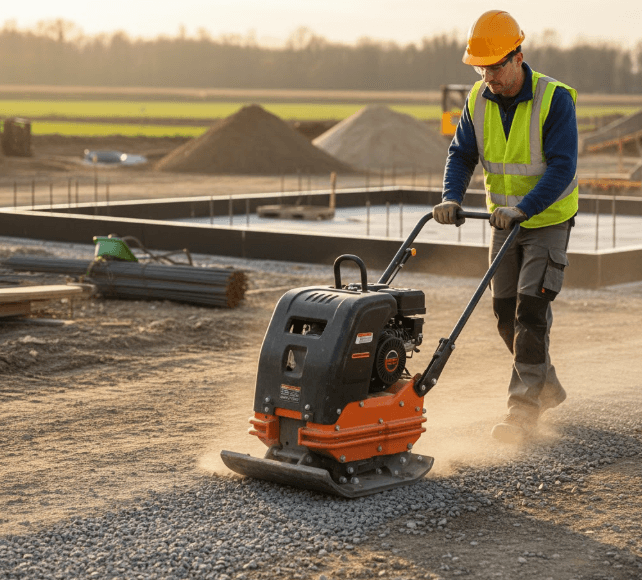
Preparing Stable Ground for Construction
Plate compactors are essential machines used to prepare stable ground before construction begins. Contractors rely on these machines to compress soil, gravel, and other base materials so that the surface becomes firm and supportive. Proper compaction is critical when installing concrete slabs, building foundations, laying pavers, or preparing asphalt surfaces. When base materials are not compacted properly, the ground can shift or settle over time. This movement may lead to cracks, uneven surfaces, or structural instability. Using a compactor helps eliminate air pockets in the material and creates a tightly packed surface capable of supporting heavy loads.
How Vibratory Compaction Works
Plate compactors use a vibration system that rapidly moves a heavy steel base plate against the ground. This vibration forces soil particles closer together, increasing density and improving the strength of the base layer. The repeated impact of the vibrating plate allows loose materials to settle into a stable configuration.
The exciter system inside the machine produces this vibration through rotating weights that create powerful motion. As the exciter rotates, it transfers energy to the base plate, allowing the machine to deliver consistent compaction across the surface. This process makes compactors highly effective for preparing foundations and surface layers.
Designed for Tough Jobsite Conditions
Compaction equipment is frequently used in demanding environments such as construction zones, roadwork sites, and landscaping projects. Because of this, plate compactors are built with rugged components that can withstand continuous operation and harsh working conditions.
Heavy-duty steel base plates help the machine absorb repeated vibration while maintaining durability. Reinforced frames protect internal components from impacts and debris. Strong engines supply the power needed to maintain consistent vibration force during long periods of operation.These durable designs help compactors remain reliable tools even on large or demanding projects.
Routine Maintenance for Reliable Operation
Regular inspection helps ensure compactors continue delivering strong vibration and reliable performance. Contractors often check several key components during routine maintenance.
• Inspect base plates for excessive wear or damage
• Check belts and pulleys for proper tension
• Examine vibration components for smooth operation
• Verify engine performance and throttle control response
• Ensure mounting hardware remains secure
Routine checks help prevent minor issues from becoming larger mechanical problems that could interrupt work.
Long-Term Value for Contractors
Plate compactors provide long-term value by helping contractors build strong, stable foundations for construction projects. Reliable compaction equipment allows crews to complete ground preparation quickly while ensuring the base material is properly compacted before additional work begins.
Consistent maintenance and timely component replacement help extend the service life of the machine while protecting the investment made in professional equipment. When compactors remain in good operating condition, contractors can maintain productivity and deliver reliable results across a wide range of construction and landscaping projects.