
Power and Precision Behind Professional Concrete Cutting
The Importance of Concrete Saws in Construction
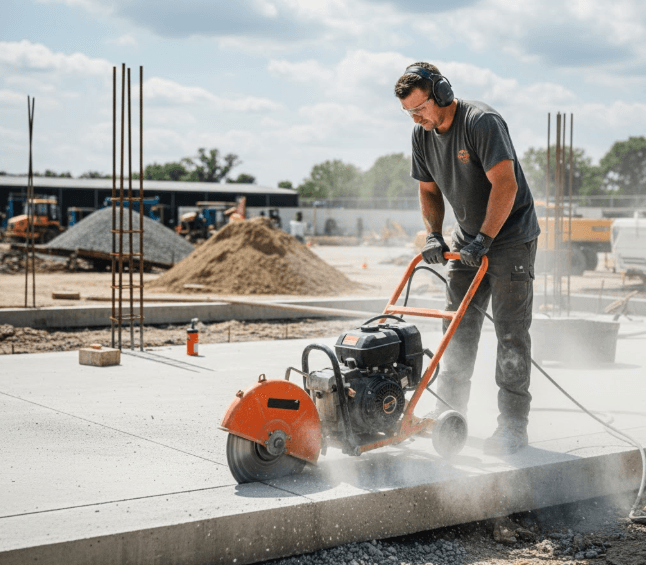
Concrete saws play a critical role in modern construction and infrastructure work. These machines are designed to cut through dense materials such as concrete, asphalt, brick, and masonry with accuracy and efficiency. Contractors rely on them for tasks like road repair, expansion joints, demolition preparation, and utility access cuts. The strong engines and reinforced frames allow the saw to generate the power needed to drive diamond blades through extremely hard surfaces. Stable cutting assemblies help operators maintain straight and consistent cuts during operation. Because many projects depend on precise cutting, having reliable concrete saw equipment is essential for maintaining productivity on demanding jobsites.
Key Systems That Support Cutting Performance
Several internal systems work together to keep a concrete saw operating effectively. The blade shaft assembly holds the cutting blade securely while transferring engine power to the blade during rotation. Belts and pulleys help move that power through the drive system while maintaining proper speed and torque. Bearings support rotating components and help reduce friction that could otherwise lead to overheating or uneven blade motion. The water delivery system is also extremely important because it cools the blade during cutting while helping reduce airborne dust. When these systems are operating properly, the saw can deliver smooth, controlled cuts even through thick concrete slabs or pavement.
Managing Wear from Heavy-Duty Operation
Concrete cutting places significant stress on equipment components because of the resistance created when slicing through hardened materials. Continuous vibration, heat, and abrasive dust can gradually wear down parts throughout the machine. Blade shafts, belts, and bearings may experience gradual fatigue from constant rotation and load pressure. Water pumps and hoses may also wear as they operate continuously during cutting tasks. If these components are not monitored regularly, small issues can develop into larger mechanical failures. Routine inspection helps contractors identify worn parts early so repairs can be completed before the saw experiences a breakdown during an important project.
Routine Concrete Saw Maintenance Checks
Regular equipment checks help maintain safe and efficient cutting performance.
• Inspect the diamond blade for uneven wear or damage
• Check belts for cracks, stretching, or slipping
• Confirm the water system is delivering consistent flow
• Listen for unusual noise from bearings or rotating parts
• Ensure hardware and guards remain securely fastened
Performing these simple inspections helps reduce downtime and keeps the saw operating reliably on the jobsite.
Supporting Long-Term Equipment Reliability
Concrete saws are valuable tools that support many types of construction and roadwork projects. With proper maintenance and attention to wear components, these machines can deliver reliable performance for many years. Replacing worn parts and maintaining key systems helps protect the engine, drive assembly, and cutting components from unnecessary strain. Reliable equipment allows contractors to complete cutting tasks faster and with greater precision. Consistent maintenance also improves jobsite safety by ensuring the saw operates as intended. When properly maintained, concrete saws remain dependable tools for tackling demanding cutting applications.