
Reliable Cutting Systems for Demanding Concrete Projects
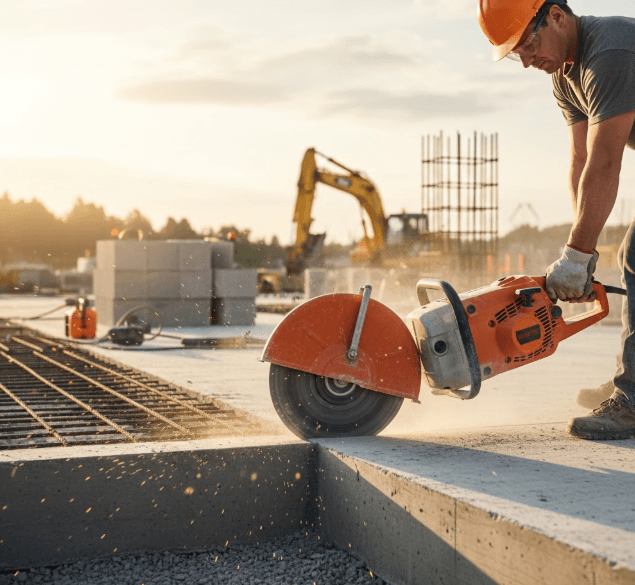
How Concrete Saws Support Construction Work
Concrete saws are widely used across construction, demolition, and road maintenance projects where precise cutting is required. Contractors rely on these machines to create controlled cuts in concrete slabs, pavement, sidewalks, and masonry structures. The powerful engines and heavy-duty frames allow the saw to maintain stability while cutting through extremely dense materials. Accurate cutting helps prepare surfaces for repairs, expansion joints, and utility installations. Consistent blade rotation and steady machine movement help ensure that cuts remain straight and uniform. Because these machines are used on demanding job sites, reliability and durability are essential features.
Components That Drive Cutting Efficiency
Several mechanical systems work together to produce the cutting force required for concrete saw operations. The engine provides the power that drives the blade through a series of belts, pulleys, and rotating shafts. Bearings help support these moving components while reducing friction during operation. The blade shaft assembly holds the diamond blade in alignment and transfers rotational energy directly to the cutting surface. Wheels and frame supports help stabilize the machine so operators can guide the saw smoothly along the cutting path. When these systems are functioning properly, the saw can deliver consistent cutting performance even under heavy workloads.
Protecting the Blade with Proper Cooling
Cutting through dense materials generates a large amount of heat and friction. To prevent overheating, many concrete saws use a water delivery system that directs a steady stream of water onto the blade during operation. This cooling process helps protect the diamond blade segments from excessive wear while improving cutting efficiency. The water system also helps suppress dust, which improves visibility and creates a safer working environment. Pumps, hoses, and fittings within the system must remain clear and functional to maintain proper water flow. If cooling components become damaged or blocked, blade performance may decline and wear can accelerate.
Routine Inspection for Concrete Saw Performance
Routine inspections help ensure the equipment continues to operate safely and efficiently.
• Check blade alignment and condition before each cutting job
• Inspect belts for proper tension and signs of wear
• Verify the water system is delivering adequate cooling flow
• Listen for unusual sounds from bearings or rotating components
• Confirm that all guards and hardware remain securely fastened
These maintenance checks help identify small issues before they lead to equipment downtime.
Long-Term Performance Through Preventive Maintenance
Concrete saws are built to handle tough cutting conditions, but regular maintenance is necessary to keep them performing at their best. Replacing worn components early helps prevent additional stress on the machine’s drive system and engine. Proper maintenance also improves cutting accuracy and helps extend the lifespan of blades and mechanical parts. Contractors who maintain their equipment carefully often experience fewer jobsite delays and lower repair costs. Reliable cutting tools allow projects to move forward without interruptions. With consistent care and inspection, concrete saws can continue delivering dependable performance on demanding construction projects.