
Consistent Material Blending for Masonry Work
The Importance of Mortar Mixing in Masonry Projects
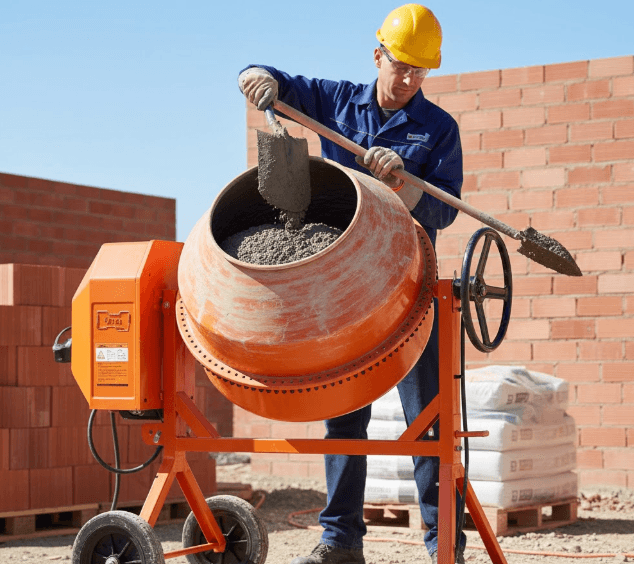
Mortar mixers play a critical role in construction projects that involve brick, block, or stone installation. Properly blended mortar helps create strong bonds between masonry materials, ensuring structural stability and long-term durability. Contractors rely on mortar mixers to produce uniform mixtures that maintain consistent texture and workability throughout the day. Consistency in the mix helps masons apply mortar evenly while maintaining proper curing conditions. Without reliable mixing equipment, achieving the correct blend of sand, cement, lime, and water would be far more difficult and time-consuming. Efficient mortar preparation allows crews to keep pace with demanding construction schedules.
Mechanical Systems That Drive Mixer Performance
Mortar mixers rely on several interconnected components to keep materials moving smoothly within the drum. The power system drives a rotating drum or paddle assembly that blends materials into a consistent mixture. Bearings and shafts support the rotating components and help reduce friction during operation. Belts and pulleys transfer energy from the engine to the mixing drum, allowing the machine to maintain steady rotation even under heavy loads. These mechanical systems must remain properly aligned and maintained to ensure smooth operation. When all components function correctly, the mixer can maintain consistent blending performance throughout extended work periods.
Mixing Drums and Paddle Assemblies
The drum and paddle assembly is the heart of a mortar mixer’s operation. Inside the drum, paddles continuously lift and fold the mixture to distribute moisture and materials evenly. This motion ensures that all ingredients combine thoroughly to produce a workable mortar blend. Over time, abrasive materials such as sand and cement gradually wear down paddle edges and drum surfaces. Maintaining these components helps preserve efficient mixing action and prevents material buildup that could reduce mixing quality. A properly functioning drum assembly ensures that mortar remains consistent from the first batch to the last.
Preventive Maintenance for Mortar Mixers
Routine inspection helps maintain reliable mixer performance and reduce unexpected equipment issues.
• Check belts for wear and proper tension
• Inspect paddles and drum surfaces for material buildup
• Monitor bearings for noise or excessive movement
• Verify engine components are operating smoothly
• Confirm all mounting hardware remains securely tightened
Regular maintenance helps ensure the mixer continues operating efficiently during daily use.
Long-Term Reliability for Jobsite Mixing
Mortar mixers are designed to handle heavy workloads in demanding construction environments. Proper maintenance helps protect internal components and keeps mixing systems working smoothly throughout the workday. Contractors who regularly inspect and maintain their mixers often experience fewer breakdowns and more consistent mixing performance. Reliable mixing equipment helps crews maintain productivity and complete masonry work on schedule. Keeping key components in good condition also extends the service life of the machine. With routine care and proper maintenance practices, mortar mixers can continue delivering dependable material blending for years of jobsite use.